News

What Is Curtain Wall Glass and How Can It Transform Modern Commercial Buildings

2026-02-25 0 Leave me a message

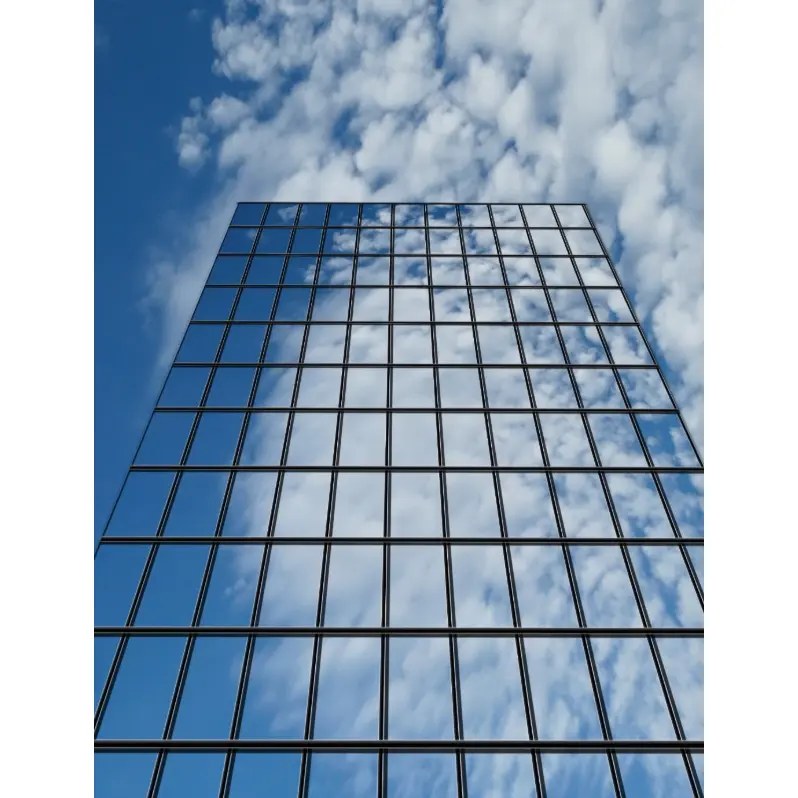
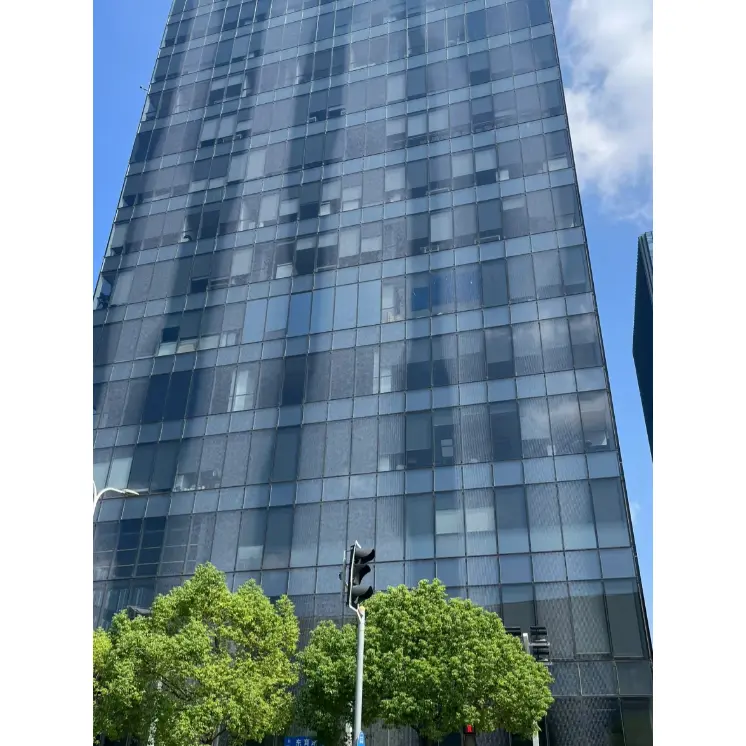
Curtain wall glass is one of the most important architectural innovations in modern construction. From iconic skyscrapers to commercial complexes and high-end office buildings, glass curtain wall systems redefine aesthetics, energy performance, and structural efficiency.

In this in-depth guide, we explore what curtain wall glass is, its types, structure, performance advantages, installation methods, energy-saving features, safety standards, and how to choose the right supplier. Whether you are an architect, contractor, developer, or building owner, this comprehensive article will help you understand how curtain wall glass can transform your project.

Curtain Wall Glass

Table of Contents


1. What Is Curtain Wall Glass?

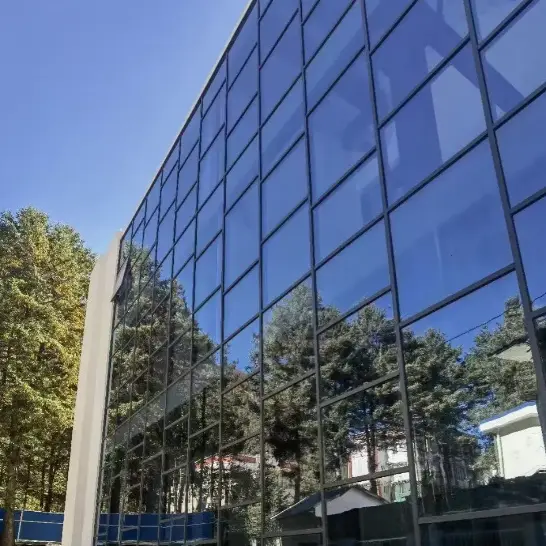
Curtain wall glass refers to a non-structural outer covering of a building made primarily of glass panels supported by aluminum or steel frames. Unlike load-bearing walls, a curtain wall system is designed to resist air and water infiltration, wind pressure, seismic forces, and its own weight while transferring loads to the main building structure.

The term “curtain” implies that the wall hangs like a curtain from the building frame. It does not support floors or roof loads, which allows architects greater freedom in design and aesthetics.

Modern curtain wall glass systems are engineered for durability, thermal performance, sound insulation, and energy efficiency, making them ideal for commercial buildings, office towers, shopping malls, and institutional structures.


2. How Does a Glass Curtain Wall System Work?

A glass curtain wall system works by attaching lightweight glass panels to a structural framework made of aluminum mullions and transoms. The system is anchored to the building's concrete or steel structure.

Main Components:

  • Glass Panels – Tempered, laminated, insulated, or low-E glass
  • Mullions – Vertical framing members
  • Transoms – Horizontal framing members
  • Anchors & Brackets – Connect system to main structure
  • Gaskets & Sealants – Ensure waterproofing and airtightness

The system distributes wind loads and transfers them to the building frame. High-performance sealants and pressure-equalized designs prevent water penetration while allowing structural movement due to thermal expansion.


3. Types of Curtain Wall Glass Systems

There are several major types of curtain wall systems used in modern architecture:

3.1 Stick System

Installed piece-by-piece on site. Cost-effective but requires more labor time.

3.2 Unitized Curtain Wall System

Pre-assembled panels manufactured in factories and installed on-site. Faster installation and better quality control.

3.3 Structural Glazing System

Glass is bonded directly to the frame using structural silicone, creating a frameless glass appearance.

3.4 Double-Skin Curtain Wall

Two layers of glass with an air cavity between them for enhanced thermal and acoustic insulation.

Comparison Table

System Type Installation Speed Cost Energy Efficiency Best For
Stick System Moderate Lower Good Mid-rise buildings
Unitized System Fast Higher Excellent High-rise projects
Structural Glazing Fast Higher Excellent Premium facades
Double-Skin Complex High Outstanding Green buildings

4. Key Performance Features of Modern Curtain Wall Glass

✔ Thermal Insulation

Double or triple-glazed insulated glass units (IGUs) with low-E coatings reduce heat transfer and improve indoor comfort.

✔ Sound Insulation

Laminated glass reduces external noise, ideal for urban environments.

✔ Structural Strength

Tempered glass is four to five times stronger than standard glass and meets high wind-load requirements.

✔ Water & Air Tightness

Advanced gasket systems and pressure-equalized chambers prevent leakage.

✔ Aesthetic Flexibility

Available in clear, tinted, reflective, patterned, or fritted finishes.


5. Energy Efficiency and Sustainability Benefits

Energy-efficient curtain wall glass plays a vital role in reducing HVAC loads and carbon footprints.

Benefits Include:

  • Reduced solar heat gain with Low-E coatings
  • Improved daylight penetration
  • Lower artificial lighting demand
  • Enhanced LEED certification potential
  • Reduced operational costs

Sustainable buildings increasingly rely on high-performance curtain wall systems to meet global green building standards.


6. Safety Standards and Structural Considerations

Curtain wall systems must comply with international safety standards regarding wind resistance, seismic movement, and impact resistance.

  • ASTM wind load testing
  • Air infiltration tests
  • Water penetration tests
  • Seismic drift accommodation

High-rise buildings require advanced engineering analysis to ensure long-term structural integrity.


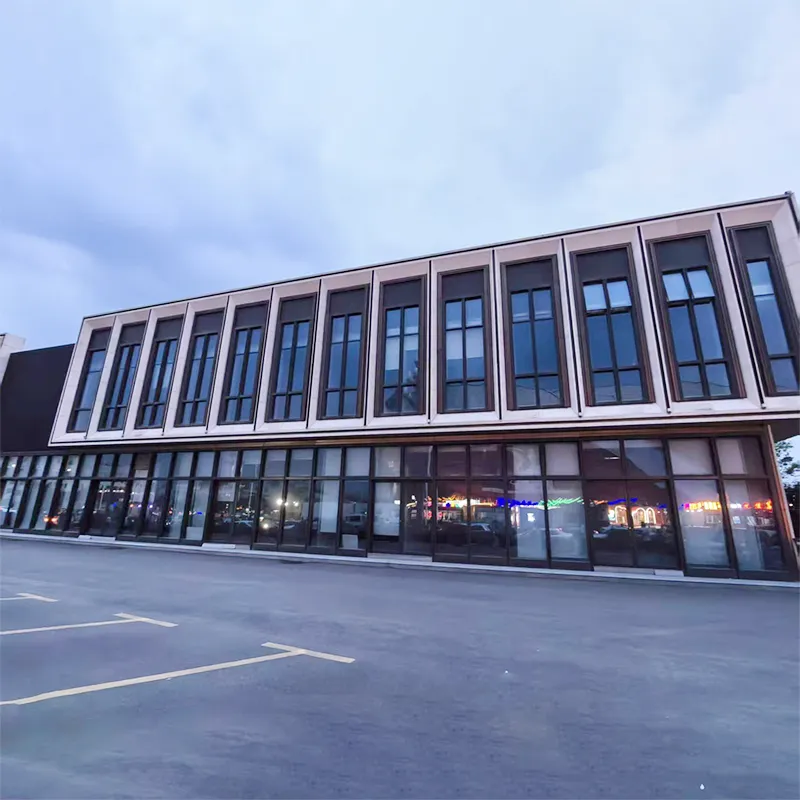
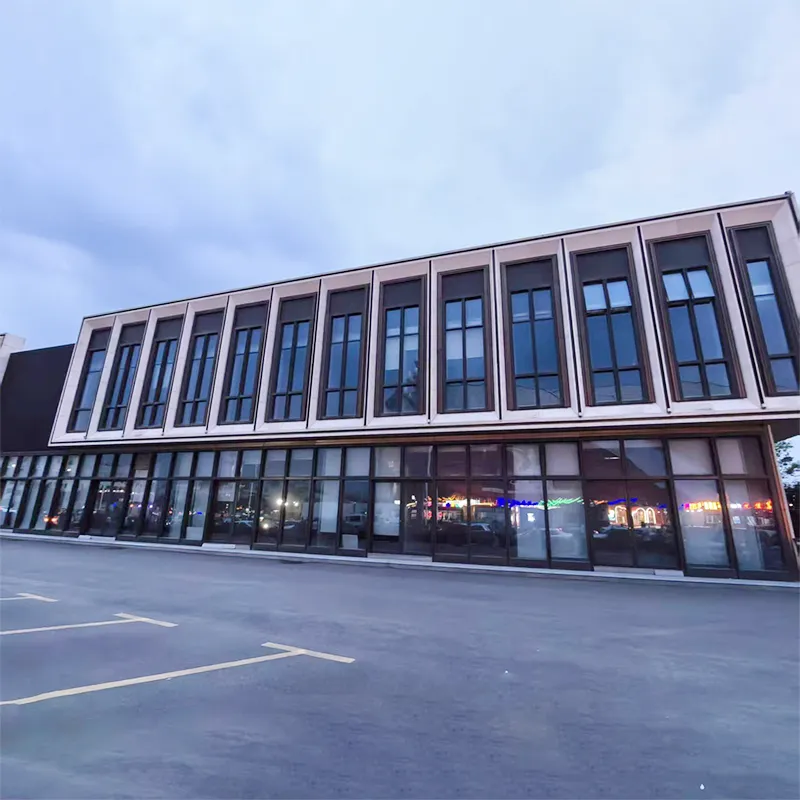
7. Applications in Commercial and High-Rise Buildings

Curtain wall glass is widely used in:

  • Office towers
  • Shopping malls
  • Hotels
  • Airports
  • Hospitals
  • Institutional buildings

Its sleek appearance and performance capabilities make it the preferred facade solution for modern architecture.


8. How to Choose the Right Curtain Wall Glass Supplier

Selecting the right manufacturer is critical for quality, durability, and compliance.

Key Factors:

  • Engineering expertise
  • Customization capability
  • Testing certifications
  • Project portfolio
  • After-sales service

Yehaoxuan is committed to delivering advanced curtain wall glass solutions with strict quality control and innovative engineering. From design consultation to manufacturing and installation guidance, Yehaoxuan provides comprehensive support for global construction projects.


9. Frequently Asked Questions (FAQ)

Q1: What is the difference between curtain wall and window wall?

Curtain walls are non-load-bearing facade systems attached to the building structure, while window walls are installed between concrete slabs and typically span floor-to-floor.

Q2: Is curtain wall glass safe for high-rise buildings?

Yes. Tempered and laminated glass combined with engineered framing systems meet strict safety codes.

Q3: How long does curtain wall glass last?

With proper maintenance, high-quality systems can last 30–50 years or more.

Q4: Can curtain wall systems improve energy efficiency?

Absolutely. Insulated and low-E glass significantly reduce heat transfer and energy consumption.

Q5: What maintenance is required?

Routine cleaning and periodic sealant inspections are recommended.


Conclusion: Transform Your Building with Advanced Curtain Wall Glass

Curtain wall glass is more than just an architectural feature — it is a high-performance building envelope solution that enhances aesthetics, sustainability, and long-term value.

If you are planning a commercial facade project and need professional guidance, high-quality materials, and customized solutions, Yehaoxuan is ready to support your success.

Contact us today to discuss your curtain wall glass project and discover how we can help bring your architectural vision to life.

Related News
Leave me a message
X
We use cookies to offer you a better browsing experience, analyze site traffic and personalize content. By using this site, you agree to our use of cookies. Privacy Policy
Reject Accept