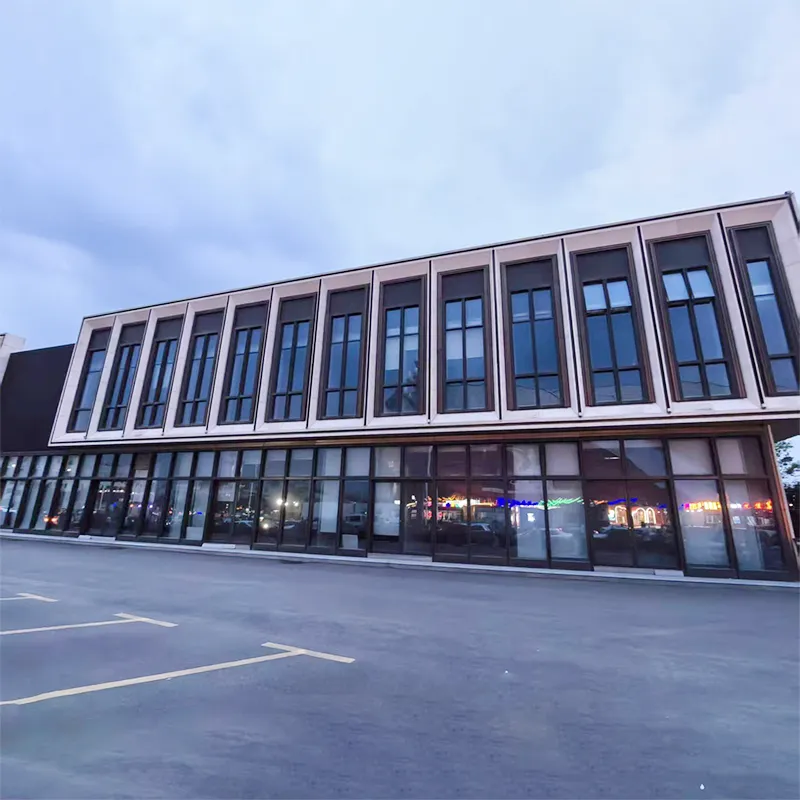
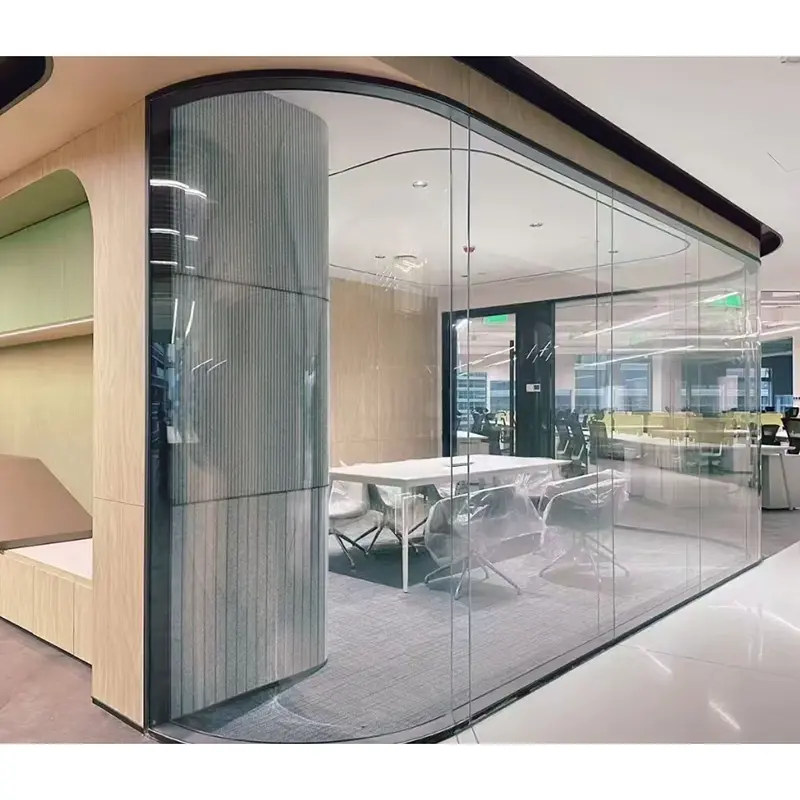
Weifang Yirui Industry and Trade explores how fire-resistant glass performs differently from standard tempered glass when buildings face extreme heat, helping people understand why glass selection matters in emergency safety design.
Glass Safety Is More Than Just Strength
When people think about safe building materials, glass is often judged by whether it can resist impact or break into safer pieces. However, in a fire emergency, another question becomes more important: how long can the glass maintain its protective function before heat and flames spread?
This is where fire-rated glass and standard tempered glass take different paths. Both materials are widely used in modern buildings, but they are designed for different challenges.
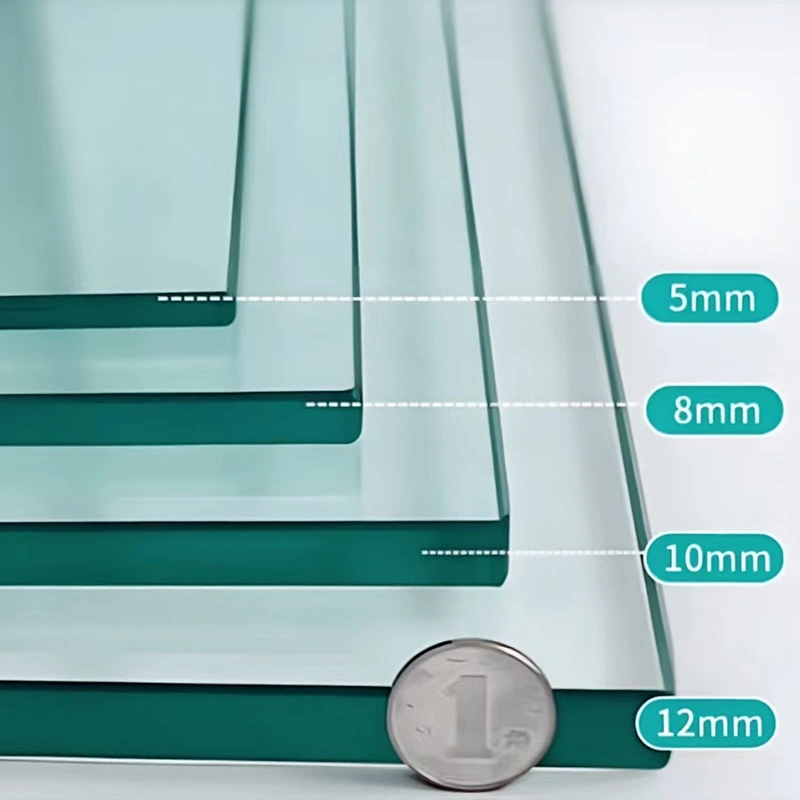
Tempered glass focuses mainly on mechanical strength and safer breakage patterns. Fire-resistant glass is developed to delay the spread of flames, smoke, and high temperatures, creating additional time for evacuation and emergency response.
Understanding the difference helps architects, construction teams, and facility planners select materials according to actual building requirements.
Fire-Resistant Glass and Tempered Glass: What Makes Them Different?
Although both types of glass may look similar after installation, their internal structures and safety purposes are not the same.
Comparison
Fire-Resistant Glass
Standard Tempered Glass
Main purpose
Provides protection during fire exposure
Improves impact resistance and safety after breakage
Fire performance
Designed to maintain integrity under high temperatures
Not specifically designed for fire protection
Breaking behavior
Can maintain a barrier for a certain period depending on rating
Breaks into small fragments when damaged
Common applications
Fire doors, partitions, protected building areas
Windows, doors, general architectural applications
Safety focus
Delays fire and smoke movement
Reduces injury risk from broken glass
The key difference is not simply how strong the glass is. It is how the material behaves when exposed to fire conditions.
Why Fire Protection Time Matters During Emergencies
In a real emergency, every additional minute can influence evacuation and rescue operations. Fire-resistant materials are used to create protected zones that slow the movement of flames and smoke between different areas of a building.
For example, in commercial buildings, hospitals, schools, and high-rise structures, fire-rated glass may be installed in locations such as:
Fire doors and smoke control areas
Corridor partitions
Stairwell protection systems
Building separation zones
These applications are designed around the principle of compartmentation—dividing a building into safer sections so that fire does not immediately move throughout the entire structure.
How Fire-Resistant Glass Is Made for Extreme Conditions
The performance of fire-resistant glass depends on its composition and processing technology. Different solutions may include special interlayers, multi-layer structures, or heat-resistant materials that help maintain stability during fire exposure.
Important Factors Affecting Glass Fire Performance
Several elements influence how glass performs during a fire:
Glass composition:
Different glass structures respond differently to rapid temperature changes. Fire-resistant designs focus on reducing cracking and maintaining protection.
Installation method:
Even high-performance glass requires suitable frames, sealing systems, and hardware to achieve expected results.
Building location:
A glass panel used in a fire door has different requirements from one used in an ordinary window.
Safety standards:
Selection should consider local building regulations and the required fire protection rating for each application.
Choosing the Right Glass for Different Building Needs
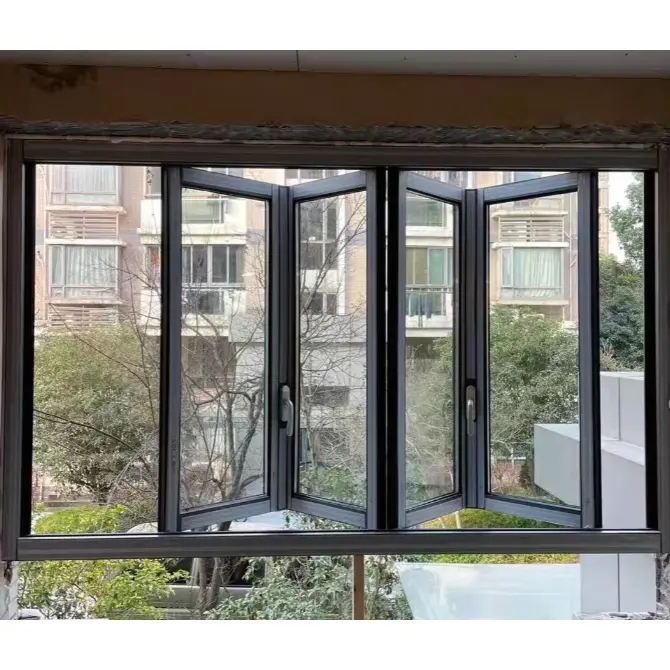
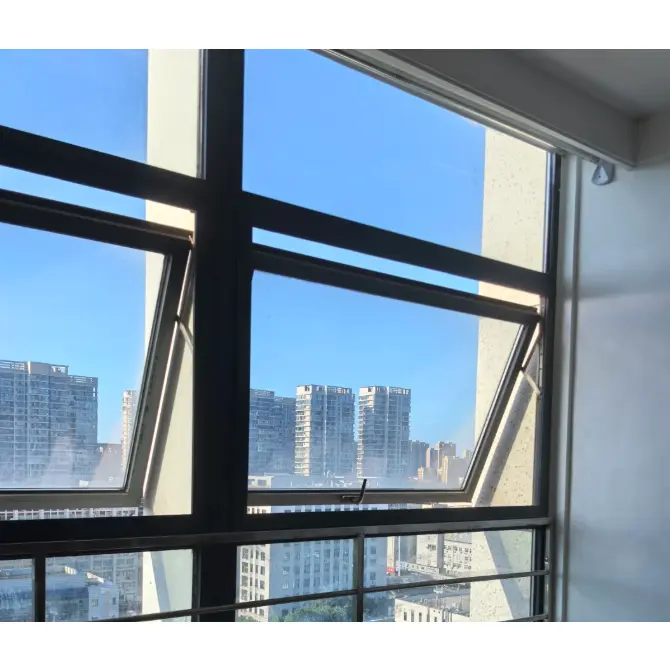
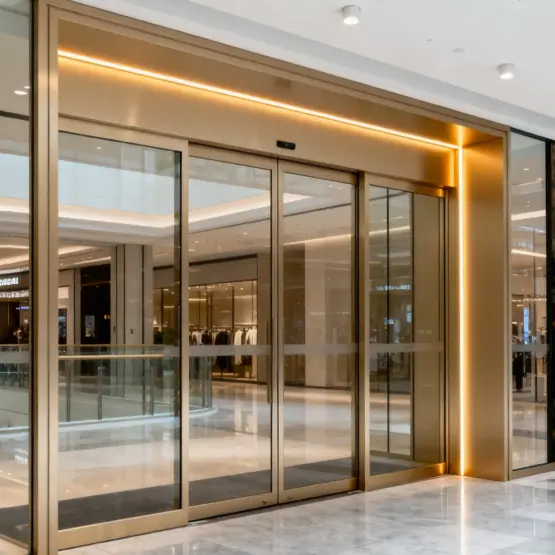
Not every project requires the same type of glass. A residential balcony window, a shopping mall entrance, and a hospital corridor all face different safety challenges.
Application Area
Common Glass Choice
Main Consideration
Residential windows
Tempered glass, insulating glass
Daily safety and energy efficiency
Commercial entrances
Tempered or laminated glass
Impact resistance and appearance
Fire doors and partitions
Fire-resistant glass
Heat and smoke protection
High-rise buildings
Combined glass systems
Safety, insulation, and structural requirements
The right choice depends on balancing safety, function, cost, and design expectations rather than selecting the strongest material for every situation.
The Role of Advanced Glass Processing in Modern Construction
As buildings become larger and more complex, glass is no longer only a decorative element. It has become part of the overall safety and performance system.
Weifang Yirui Industry and Trade has developed production capabilities covering architectural aluminum profiles, system doors and windows, glass processing, and customized building products. Its factory includes multiple glass production lines and supporting workshops for products used in residential, commercial, and public construction projects.
By combining glass processing with aluminum systems, the company supports applications ranging from energy-saving windows to protective glass structures.
Final Thoughts
Standard tempered glass and fire-resistant glass each serve important purposes, but they solve different problems. Tempered glass improves everyday safety, while fire-resistant glass focuses on maintaining protection when buildings face extreme heat and fire risks.
Selecting the correct material requires understanding the environment, application, and required safety performance. Products such as fire-resistant glass, tempered glass, and LOW-E insulating glass from Weifang Yirui Industry and Trade demonstrate how modern glass technology continues to support safer and more functional buildings.
We use cookies to offer you a better browsing experience, analyze site traffic and personalize content. By using this site, you agree to our use of cookies.Privacy Policy