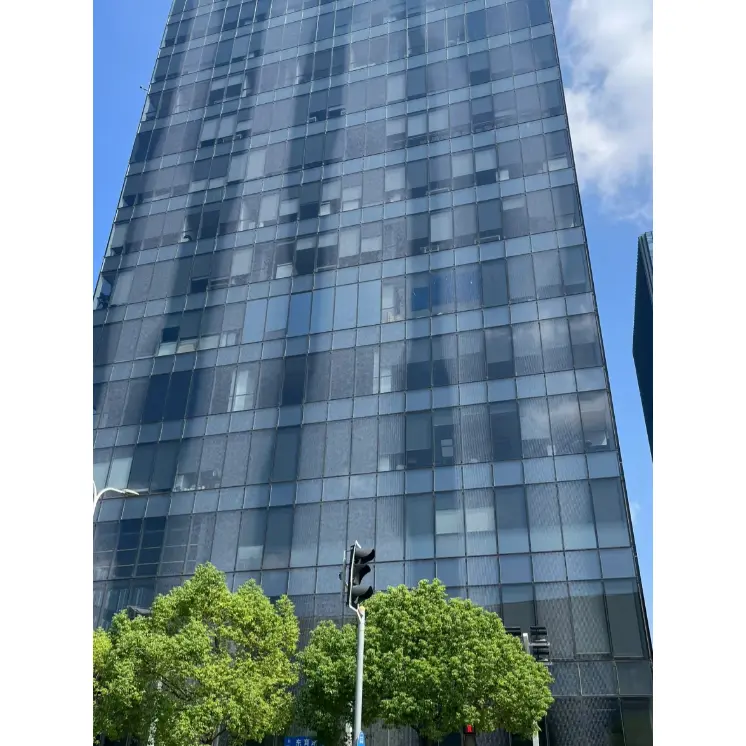
Curved glass has evolved from a luxury architectural feature into a mainstream material used across construction, automotive, electronics, and interior design. Its seamless aesthetics, structural advantages, and versatility make it a preferred choice for modern projects. This comprehensive guide explores the benefits, applications, manufacturing processes, and practical considerations of curved glass, helping businesses and buyers make informed decisions while addressing real-world challenges.
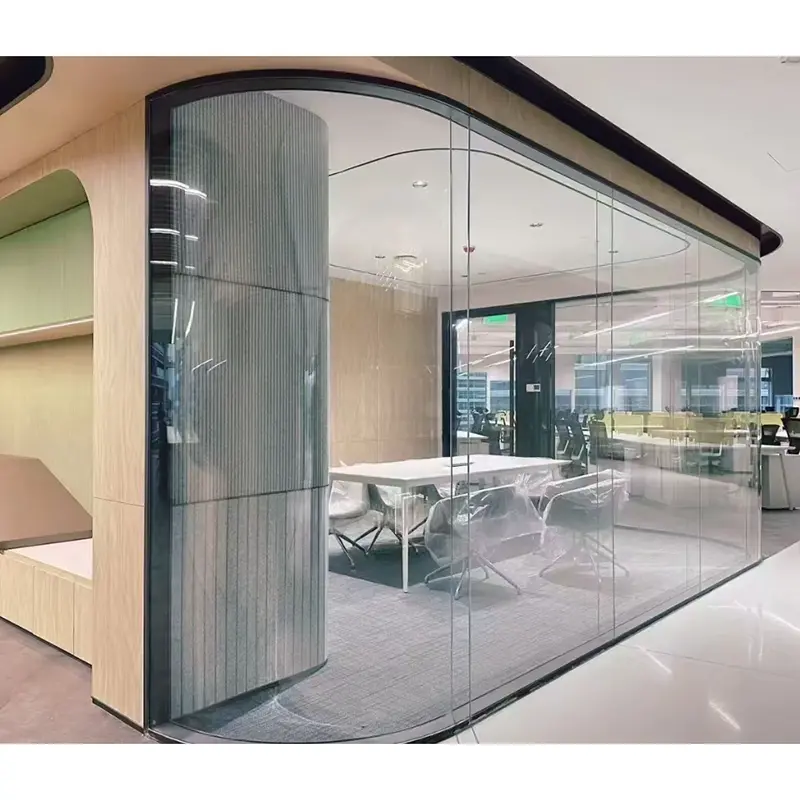
Curved glass refers to glass that has been shaped into a non-flat surface through controlled heating or bending processes. Unlike traditional flat glass, it offers fluidity in design, enhanced strength options, and unique visual appeal.
Industries increasingly rely on curved glass to meet modern demands for aesthetics, functionality, and innovation. From skyscrapers to smartphone screens, its presence is expanding rapidly.
Companies like Weifang Yerui Industry and Trade Co., Ltd. are playing a significant role in advancing curved glass production, ensuring high precision and consistent quality for global clients.
2. Key Benefits of Curved Glass
Enhanced Aesthetics: Smooth curves create a futuristic and elegant appearance.
Improved Structural Integrity: Properly engineered curved glass can distribute stress more efficiently.
Better Aerodynamics: Essential in automotive and transportation design.
Increased Light Distribution: Curves allow natural light to spread more evenly.
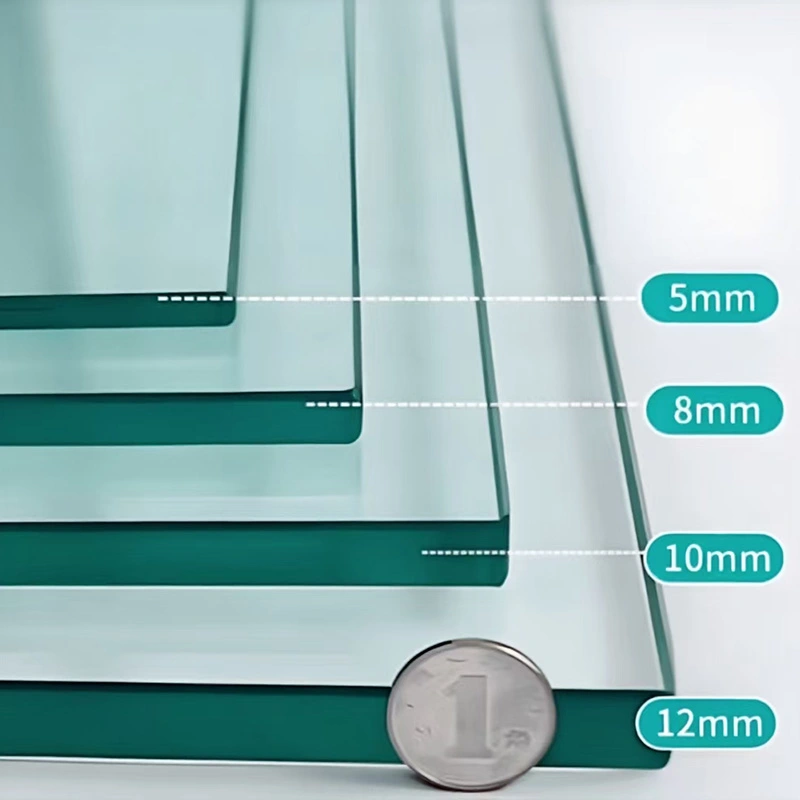
Customization Flexibility: Available in various shapes, sizes, and thicknesses.
For businesses seeking to stand out, curved glass offers both functional and visual advantages.
3. Types of Curved Glass
Type
Description
Applications
Annealed Curved Glass
Basic curved glass without additional strengthening
Decorative interiors
Tempered Curved Glass
Heat-treated for increased strength and safety
Architecture, automotive
Laminated Curved Glass
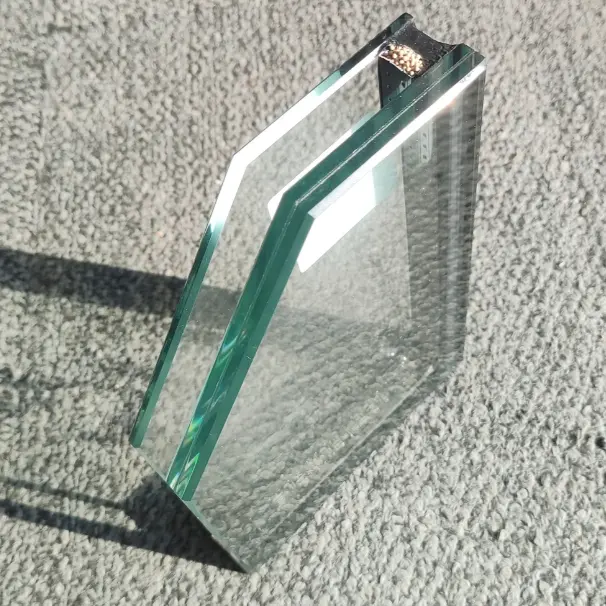
Multiple layers bonded with interlayer
Safety glazing, facades
Insulated Curved Glass
Double or triple glazed for energy efficiency
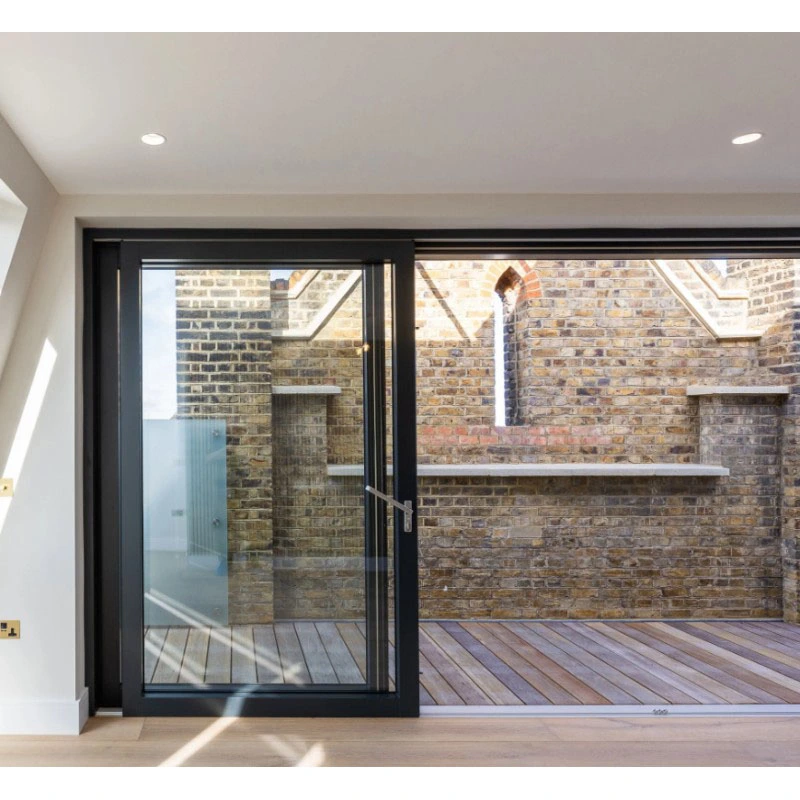
Buildings, windows
Choosing the right type depends on your specific project requirements, safety standards, and environmental conditions.
4. How Curved Glass Is Manufactured
The production of curved glass involves several precise steps:
Heating: Glass is heated to a softening point.
Bending: It is shaped using molds or gravity bending.
Finishing: Cutting, polishing, and coating processes are applied.
Advanced manufacturers like Weifang Yerui Industry and Trade Co., Ltd. utilize modern equipment to achieve tight tolerances and consistent curvature.
5. Applications Across Industries
Architecture
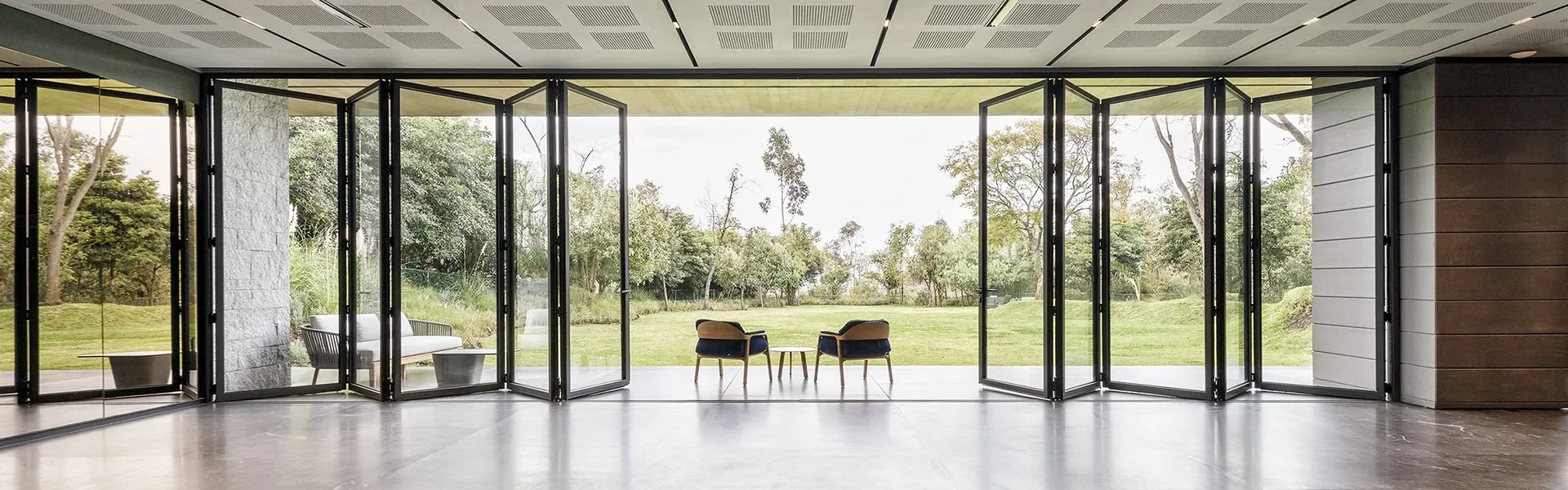
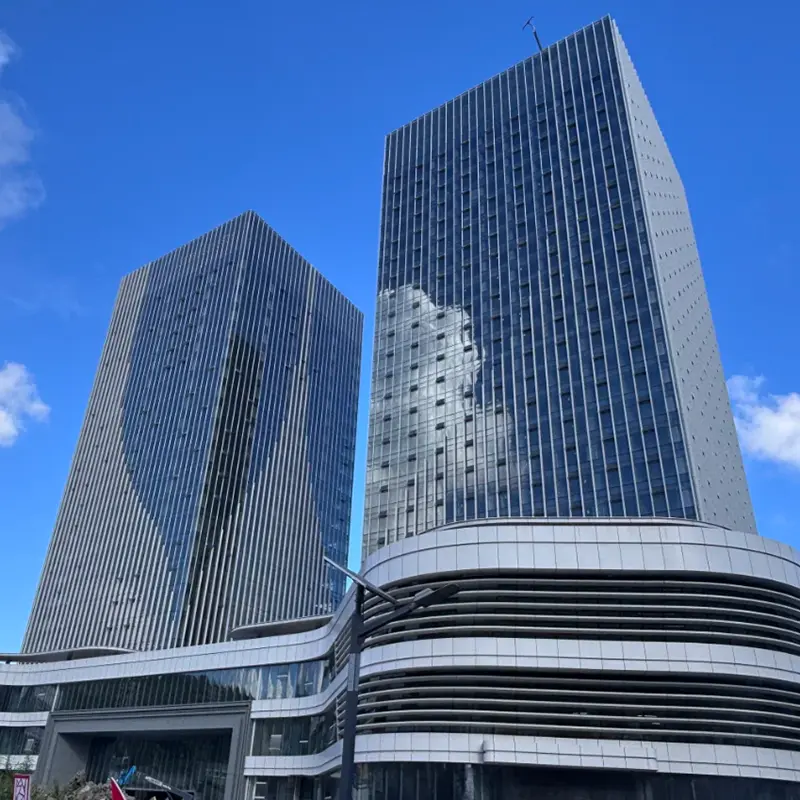
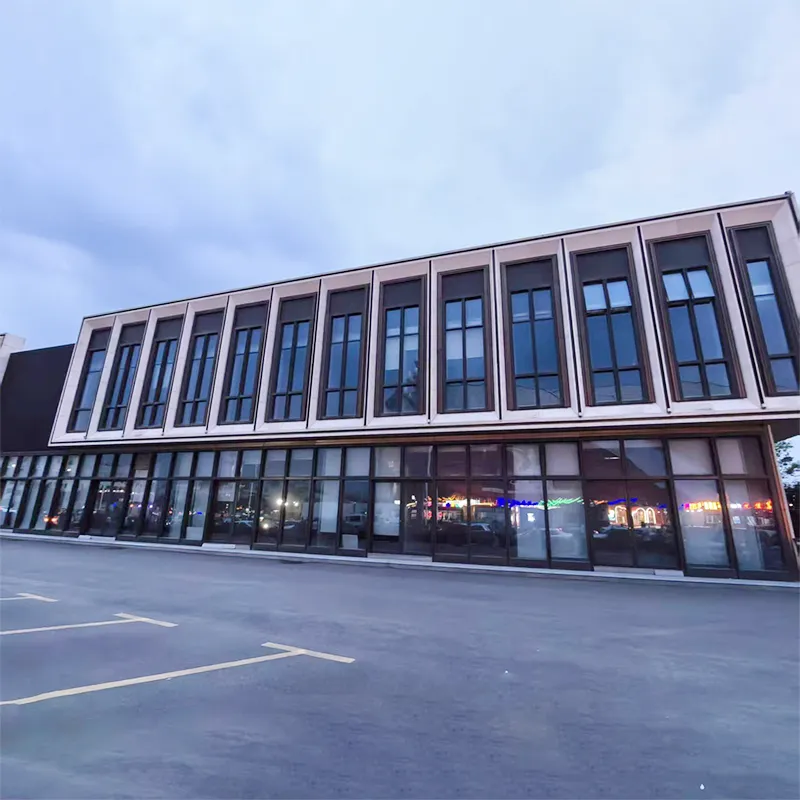
Glass facades
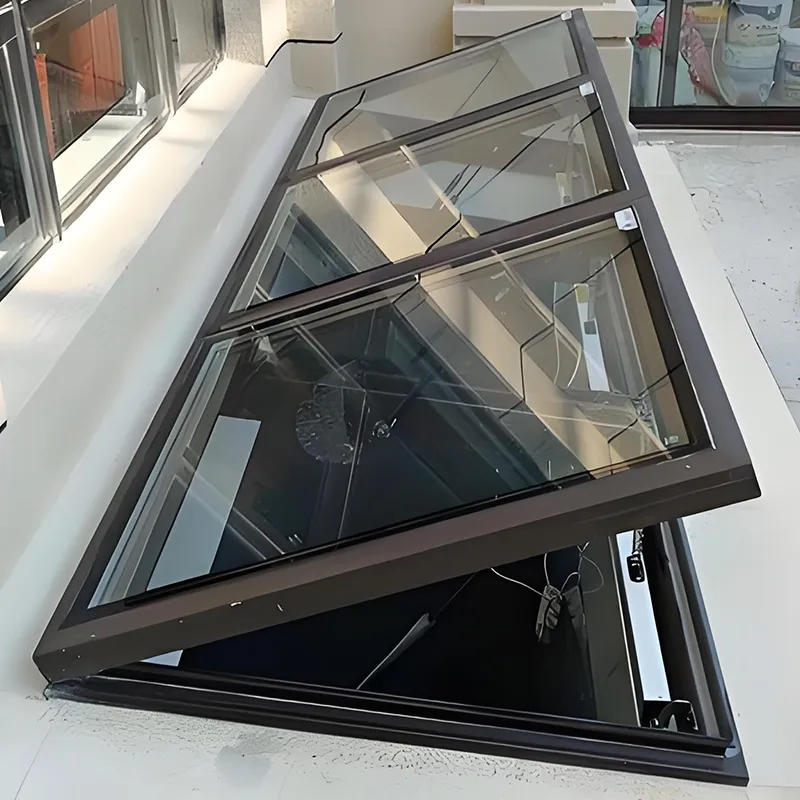
Skylights
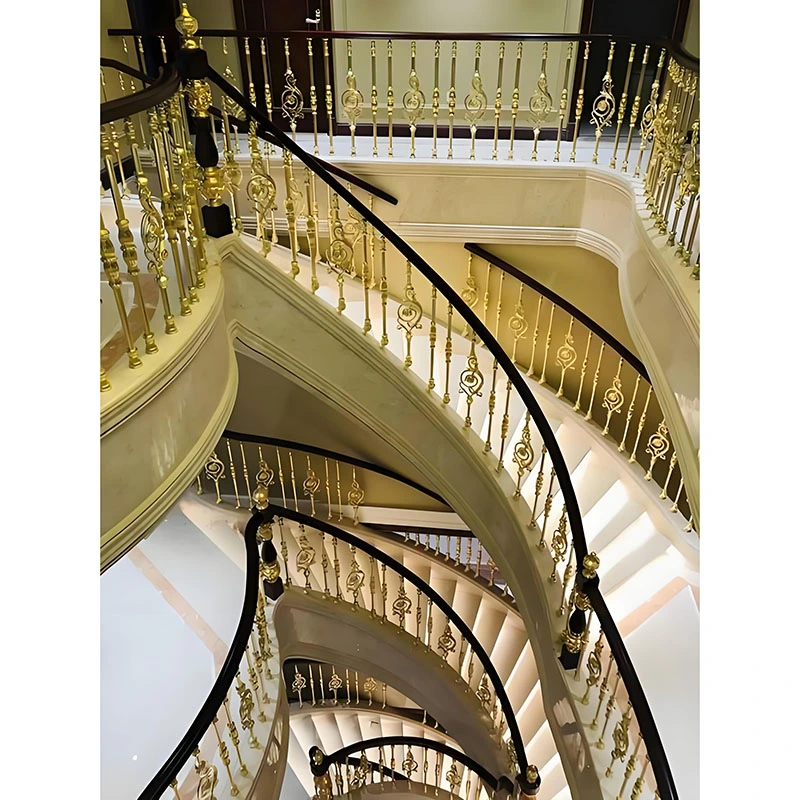
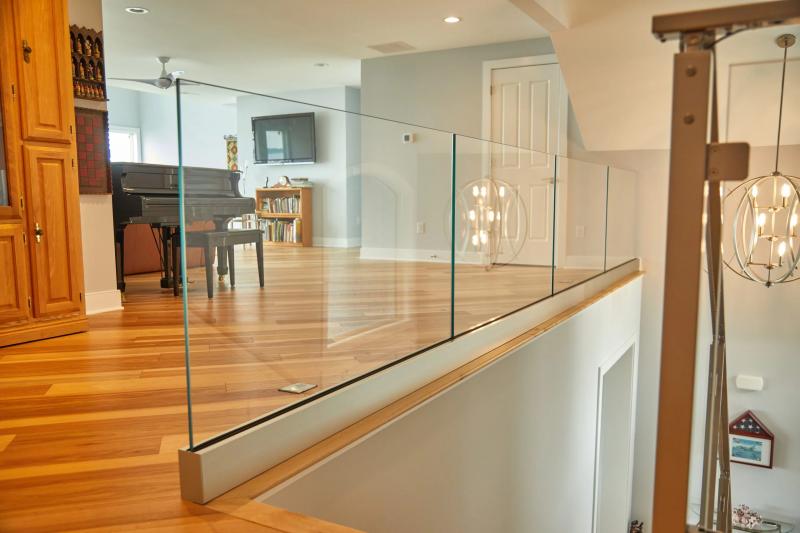
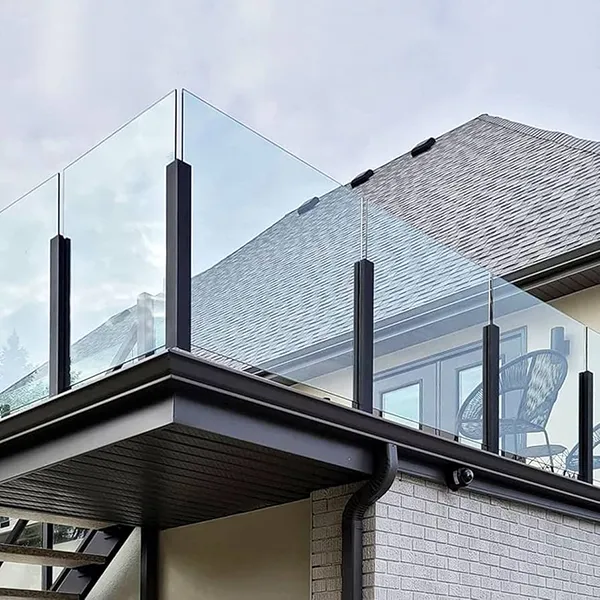
Balustrades
Automotive
Windshields
Rear windows
Electronics
Smartphone screens
Wearable devices
Interior Design
Furniture
Display cases
The versatility of curved glass makes it indispensable in modern design solutions.
6. Curved Glass vs Flat Glass
Feature
Curved Glass
Flat Glass
Appearance
Dynamic and modern
Simple and traditional
Strength
Enhanced with proper design
Standard strength
Cost
Higher due to complexity
Lower
Applications
Specialized and high-end
General use
While curved glass may involve higher upfront costs, its long-term value often outweighs the investment.
7. Buying Guide: What to Consider
Project Requirements: Determine size, curvature, and thickness.
Safety Standards: Ensure compliance with regulations.
Supplier Expertise: Choose experienced manufacturers like Weifang Yerui Industry and Trade Co., Ltd..
Customization Options: Look for flexibility in design.
Budget: Balance cost with quality and durability.
Working with a reliable supplier ensures consistent quality and timely delivery.
8. Common Challenges and Solutions
High Cost: Optimize design to reduce material waste.
Complex Installation: Use experienced installers.
Limited Suppliers: Partner with established companies.
Maintenance Concerns: Apply protective coatings.
Understanding these challenges helps businesses plan effectively and avoid costly mistakes.
9. Future Trends in Curved Glass
Integration with smart technologies
Energy-efficient glazing solutions
Ultra-thin flexible glass
Expanded use in sustainable architecture
As innovation continues, curved glass will play an even greater role in shaping the future of design and engineering.
10. Frequently Asked Questions
Q1: Is curved glass stronger than flat glass?
A: It can be stronger depending on the manufacturing process, especially when tempered or laminated.
Q2: Can curved glass be customized?
A: Yes, it can be tailored in terms of size, thickness, and curvature.
Q3: Is curved glass expensive?
A: It typically costs more than flat glass due to specialized production methods.
Q4: Where can I find reliable suppliers?
A: Trusted manufacturers like Weifang Yerui Industry and Trade Co., Ltd. provide high-quality solutions for global markets.
Q5: What industries benefit the most from curved glass?
A: Architecture, automotive, electronics, and interior design industries benefit significantly.
Conclusion
Curved glass is no longer a niche material—it is a transformative solution that enhances both design and functionality across industries. By understanding its benefits, applications, and challenges, businesses can leverage its full potential.
If you are looking for high-quality curved glass solutions tailored to your project needs, Weifang Yerui Industry and Trade Co., Ltd. offers professional expertise, advanced manufacturing capabilities, and reliable service.
Contact us today to explore customized curved glass solutions and elevate your next project to the next level.
We use cookies to offer you a better browsing experience, analyze site traffic and personalize content. By using this site, you agree to our use of cookies.
Privacy Policy