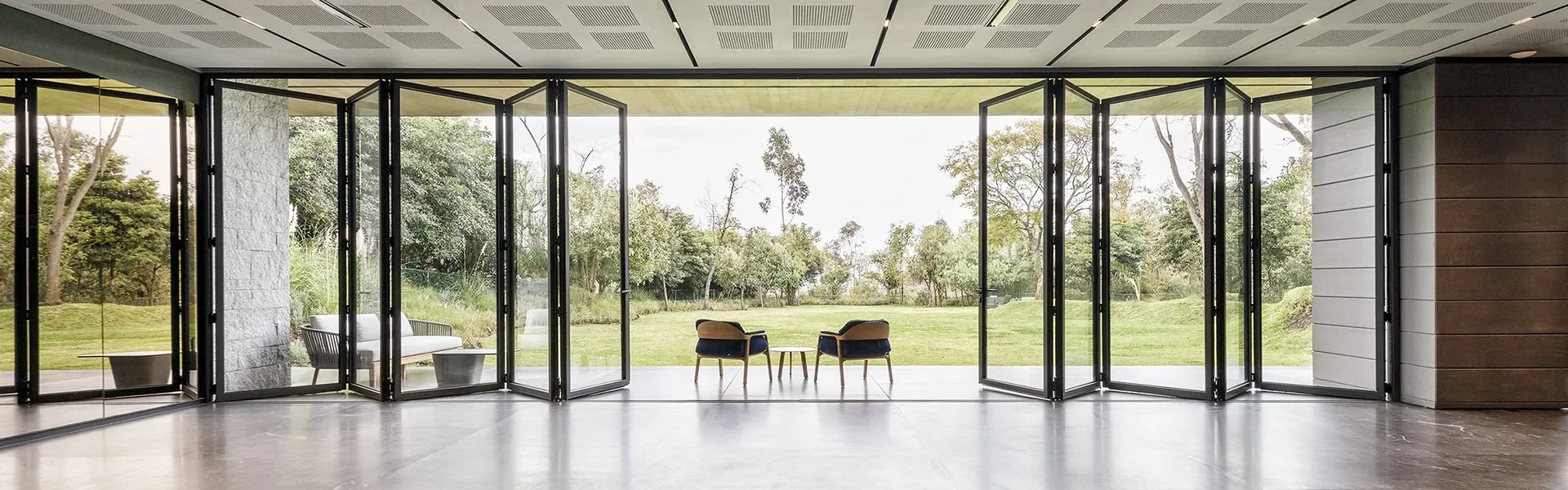
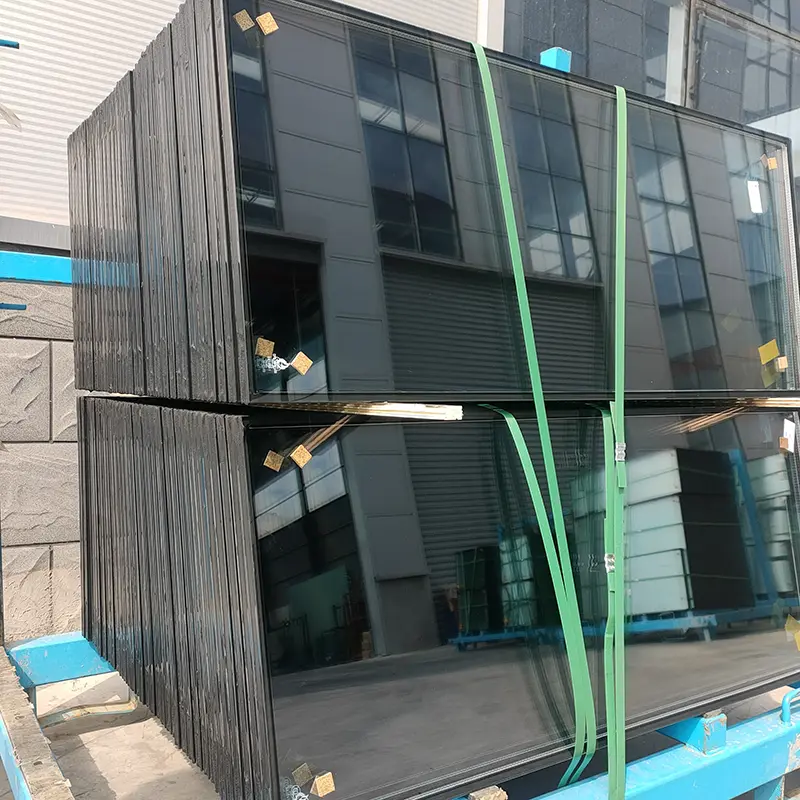
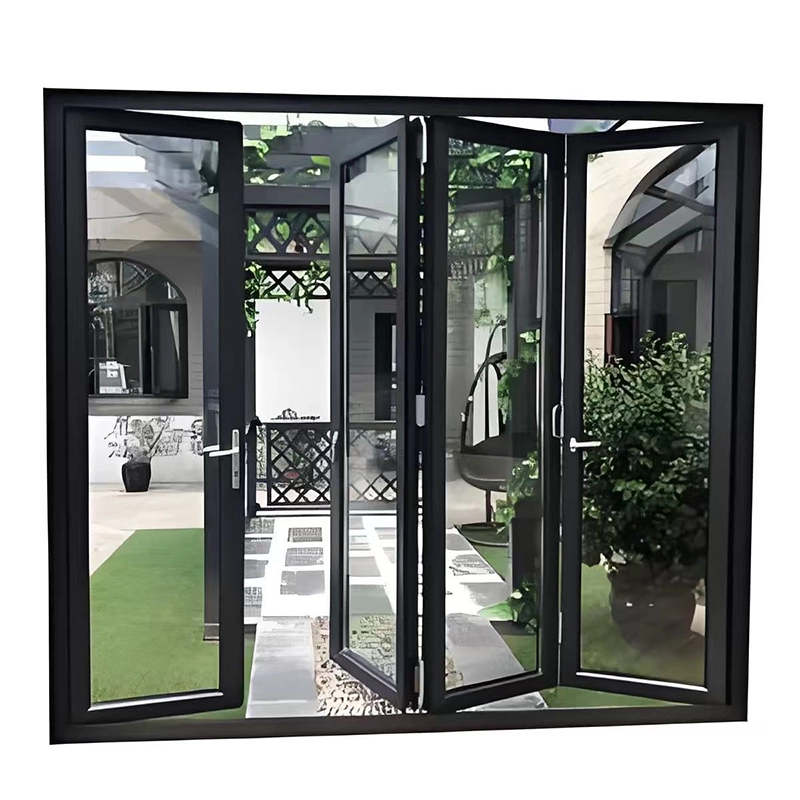
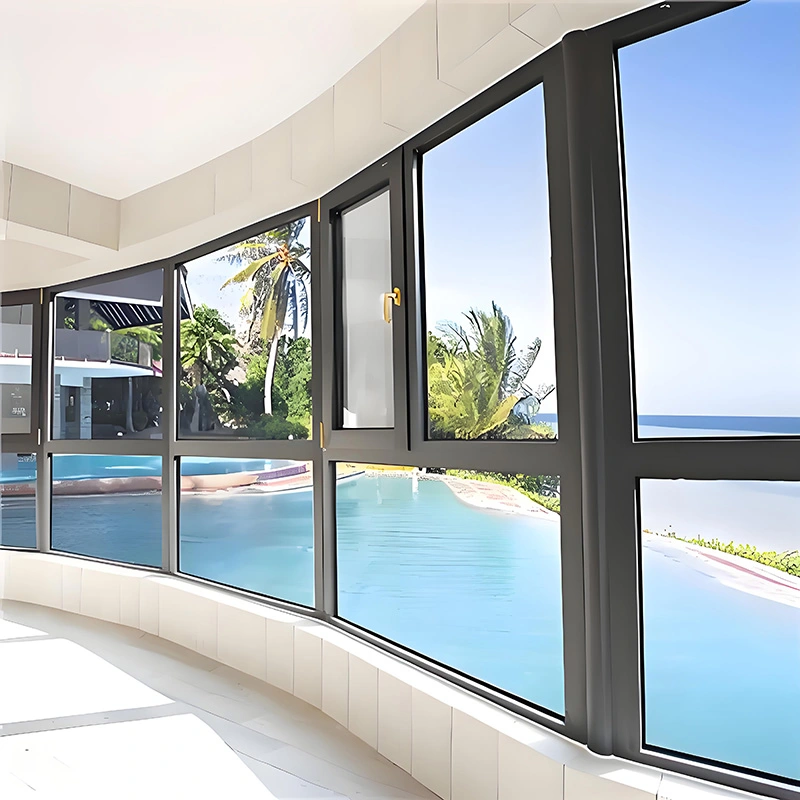
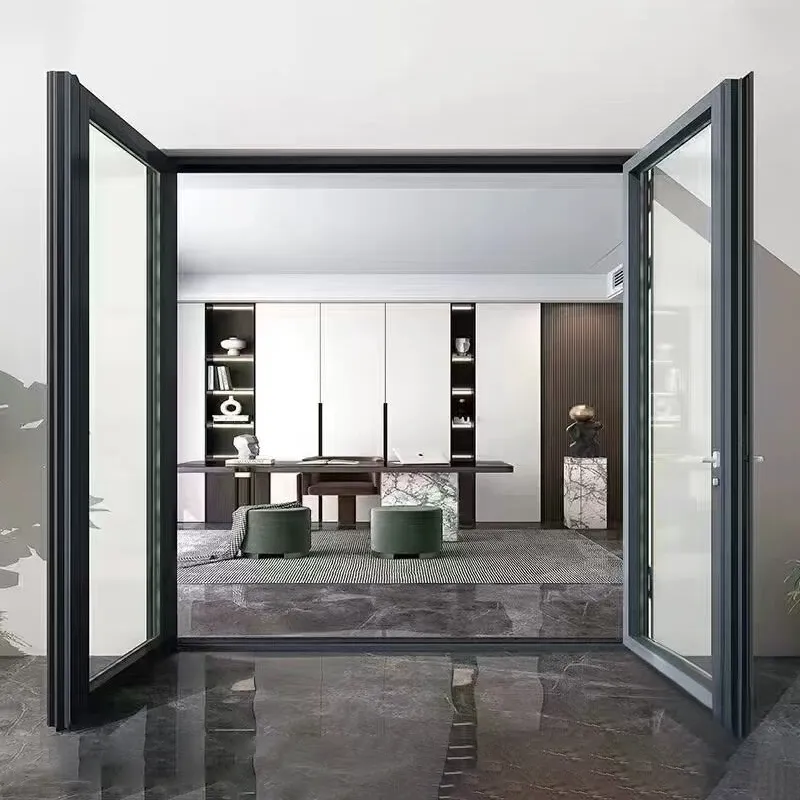
The core quality of aluminum alloy windows lies in five key process stages: profiles, surface treatment, sealing structure, glass configuration, and hardware installation.
Core Processes: The entire process from profiles to finished product
The foundation of aluminum alloy windows is the profile, and the process directly determines durability and thermal insulation. There are two main types: primary aluminum profiles and thermal break profiles.
The primary aluminum extrusion process uses 6063-T5/T6 primary aluminum ingots (the preferred choice for home decoration, avoiding recycled aluminum), which are extruded at high temperature → aged and strengthened → precision cut. ✅ Key standard: Wall thickness ≥1.8mm (national standard, 2.0mm recommended for high-rise buildings/coastal areas); 6063-T5 profiles have a tensile strength ≥160MPa and strong deformation resistance. ❌ Avoid pitfalls: Recycled aluminum profiles have falsely marked wall thickness, low strength, and are prone to deformation and cracking.
Thermal break insulation technology (core energy-saving technology, a must for home decoration) solves the problem of ordinary aluminum alloys being "fast heat conductors, cold in winter and hot in summer," and is the soul of thermal break windows. Process steps: Profile grooving → insertion of PA66 nylon thermal insulation strips → roll compounding. ✅ Core requirements: PA66 nylon thermal insulation strips ≥25mm (the wider the better for insulation), no breaks, and no detachment; the roll compounding process needs to achieve a bonding force of more than 3000N/m to avoid later degumming and air leakage. ❌ Avoid pitfalls: Using PVC strips to impersonate PA66 strips (prone to aging, fast heat conduction), and using thermal insulation strips that are too narrow (<20mm).
We use cookies to offer you a better browsing experience, analyze site traffic and personalize content. By using this site, you agree to our use of cookies.
Privacy Policy