News

Why Are Framed Curtain Walls Essential for Modern Building Design?

2026-04-29 0 Leave me a message

Framed curtain walls have become a defining feature of contemporary architecture, offering a balance of aesthetics, performance, and cost-efficiency. This comprehensive guide explores their structure, benefits, applications, installation considerations, and how to choose the right system for your project. Whether you are a developer, architect, or contractor, this article addresses key concerns such as durability, thermal performance, and maintenance, helping you make informed decisions.

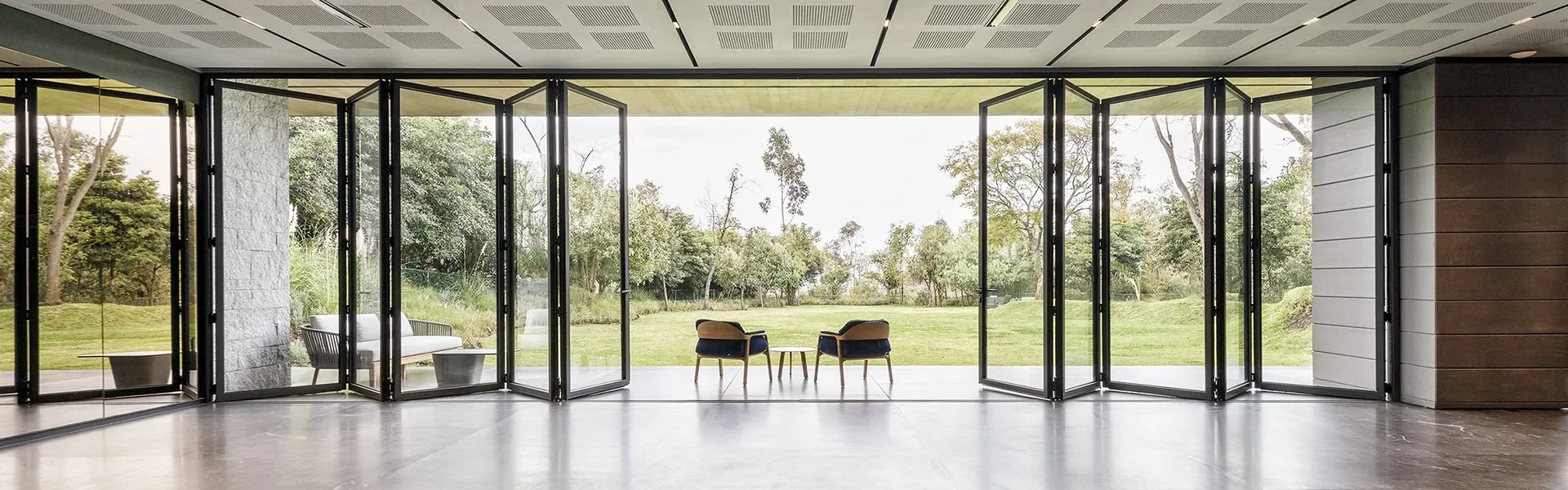
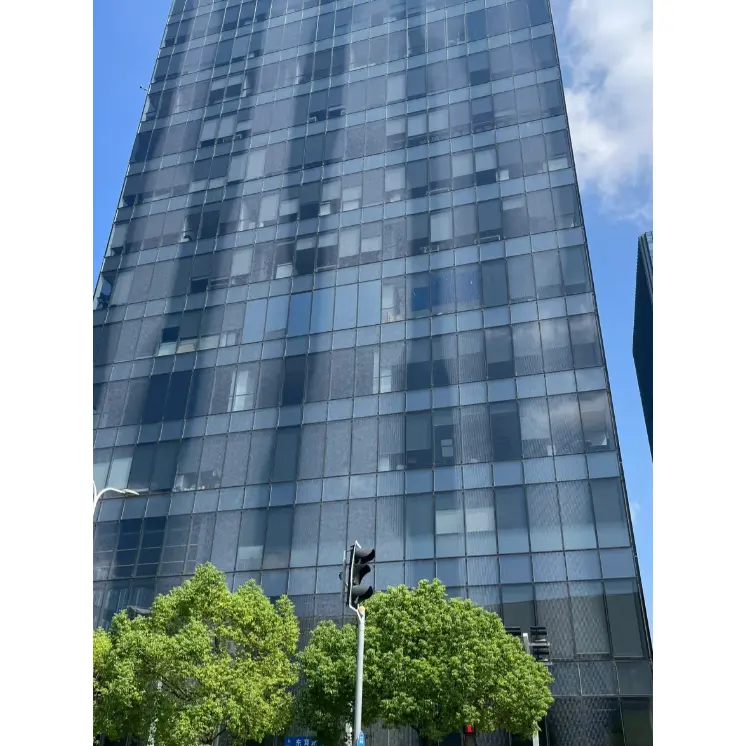
Framed curtain walls


Table of Contents


1. What Are Framed Curtain Walls?

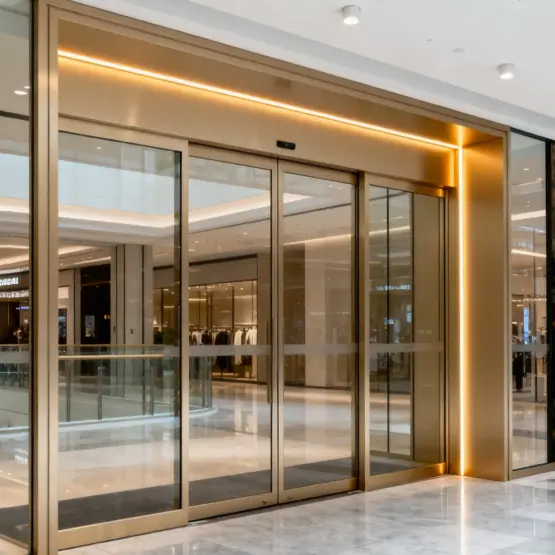
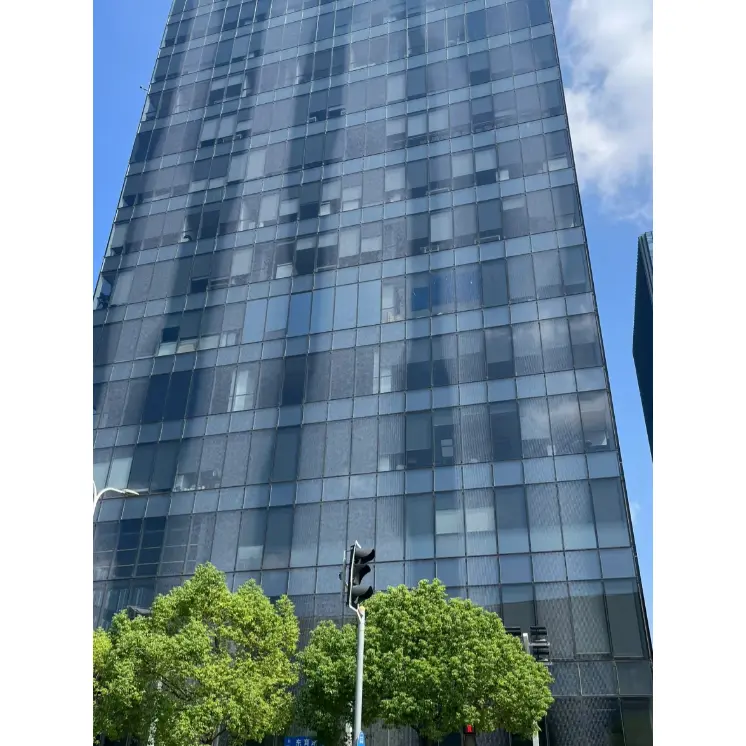
Framed curtain walls are non-structural exterior façade systems that are attached to a building’s structural frame. Unlike load-bearing walls, they primarily serve as a protective and aesthetic envelope. These systems typically consist of aluminum frames combined with glass, metal panels, or stone veneers.

The defining characteristic is the visible framing grid, which provides structural support and enhances modular construction. This design enables efficient installation and easy replacement of individual panels.


2. Why Are Framed Curtain Walls So Popular?

The growing demand for modern, energy-efficient buildings has driven the widespread adoption of framed curtain walls. They offer several advantages:

  • Enhanced natural lighting through large glass panels
  • Cost-effective manufacturing and installation
  • Flexible design customization
  • Improved thermal and acoustic insulation
  • Ease of maintenance and repair

For developers, these systems provide a practical balance between performance and budget, making them ideal for both commercial and residential projects.


3. Key Components of Framed Curtain Wall Systems

A typical framed curtain wall system includes the following components:

  • Mullions: Vertical structural members
  • Transoms: Horizontal framing elements
  • Glazing Panels: Glass or other infill materials
  • Anchors: Connect the curtain wall to the building structure
  • Sealants and Gaskets: Ensure airtightness and waterproofing

Each component plays a crucial role in ensuring the system’s stability, weather resistance, and longevity.


4. Types of Framed Curtain Walls

Framed curtain walls can be categorized based on their fabrication and installation methods:

  • Stick-built Systems: Assembled on-site, offering flexibility but requiring more labor
  • Unitized Systems: Pre-fabricated panels installed quickly, ideal for high-rise buildings
  • Semi-unitized Systems: A hybrid approach balancing efficiency and customization

Choosing the right type depends on project scale, budget, and construction timeline.


5. Performance Advantages and Practical Benefits

Framed curtain walls provide measurable improvements in building performance:

  • Energy Efficiency: Advanced glazing reduces heat transfer
  • Weather Resistance: Multi-layer sealing systems prevent water infiltration
  • Structural Flexibility: Accommodates building movement
  • Aesthetic Appeal: Clean, modern appearance with customizable finishes

These benefits directly address common customer concerns such as energy costs, durability, and visual impact.


6. Comparison Table: Framed vs Frameless Curtain Walls

Feature Framed Curtain Walls Frameless Curtain Walls
Cost Lower Higher
Installation Simpler More complex
Appearance Visible grid Seamless glass look
Maintenance Easier More demanding
Durability High Moderate to high

7. Installation Process and Technical Considerations

The installation process involves several key steps:

  • Site measurement and structural assessment
  • Fabrication of frame components
  • Installation of anchors and support systems
  • Assembly of mullions and transoms
  • Glazing and sealing

Precision is critical at every stage to ensure alignment, safety, and long-term performance.


8. Common Challenges and How to Solve Them

While framed curtain walls offer numerous benefits, challenges may arise:

  • Water Leakage: Solved with high-quality sealants and proper drainage design
  • Thermal Bridging: Addressed using thermal break technology
  • Wind Load Resistance: Requires proper engineering calculations
  • Installation Errors: Prevented through skilled labor and supervision

Understanding these issues helps avoid costly repairs and ensures optimal system performance.


9. How to Choose the Right Supplier

Selecting a reliable supplier is crucial for project success. Consider the following factors:

  • Manufacturing capabilities and certifications
  • Project experience and portfolio
  • Customization options
  • Technical support and after-sales service
  • Material quality and compliance standards

Companies like Weifang Yerui Industry and Trade Co., Ltd. are known for delivering high-quality curtain wall solutions tailored to diverse project requirements.


10. Applications Across Different Industries

Framed curtain walls are widely used in various sectors:

  • Commercial office buildings
  • Shopping malls and retail centers
  • Hotels and hospitality projects
  • Healthcare facilities
  • Residential high-rises

Their versatility makes them suitable for both functional and decorative applications.


11. Maintenance and Lifecycle Management

Proper maintenance ensures long-term performance and safety:

  • Regular cleaning of glass and frames
  • Inspection of sealants and gaskets
  • Replacement of damaged panels
  • Monitoring structural connections

A well-maintained curtain wall system can last several decades with minimal issues.


12. Future Trends in Curtain Wall Technology

The curtain wall industry continues to evolve with innovations such as:

  • Smart glass with adjustable transparency
  • Integrated solar panels
  • Advanced thermal insulation materials
  • Automated façade systems

These developments aim to enhance sustainability and building performance.


13. Frequently Asked Questions (FAQ)

Q1: Are framed curtain walls suitable for high-rise buildings?
Yes, especially unitized systems designed for high-rise applications.

Q2: How long do framed curtain walls last?
With proper maintenance, they can last 30–50 years or more.

Q3: Can framed curtain walls improve energy efficiency?
Yes, modern systems use insulated glass and thermal breaks to reduce energy loss.

Q4: Are they customizable?
Absolutely. Materials, colors, and configurations can be tailored to project needs.

Q5: What is the main cost factor?
Material choice, system type, and installation complexity significantly impact cost.


Conclusion

Framed curtain walls offer a reliable, cost-effective, and visually appealing solution for modern building envelopes. Their adaptability, performance benefits, and ease of maintenance make them a preferred choice for architects and developers worldwide.

If you are planning a project and need expert guidance or customized solutions, contact us at Weifang Yerui Industry and Trade Co., Ltd. to explore high-quality framed curtain wall systems tailored to your needs.

Related News
Leave me a message
X
We use cookies to offer you a better browsing experience, analyze site traffic and personalize content. By using this site, you agree to our use of cookies. Privacy Policy
Reject Accept